

Blog
Health Benefits of Mango

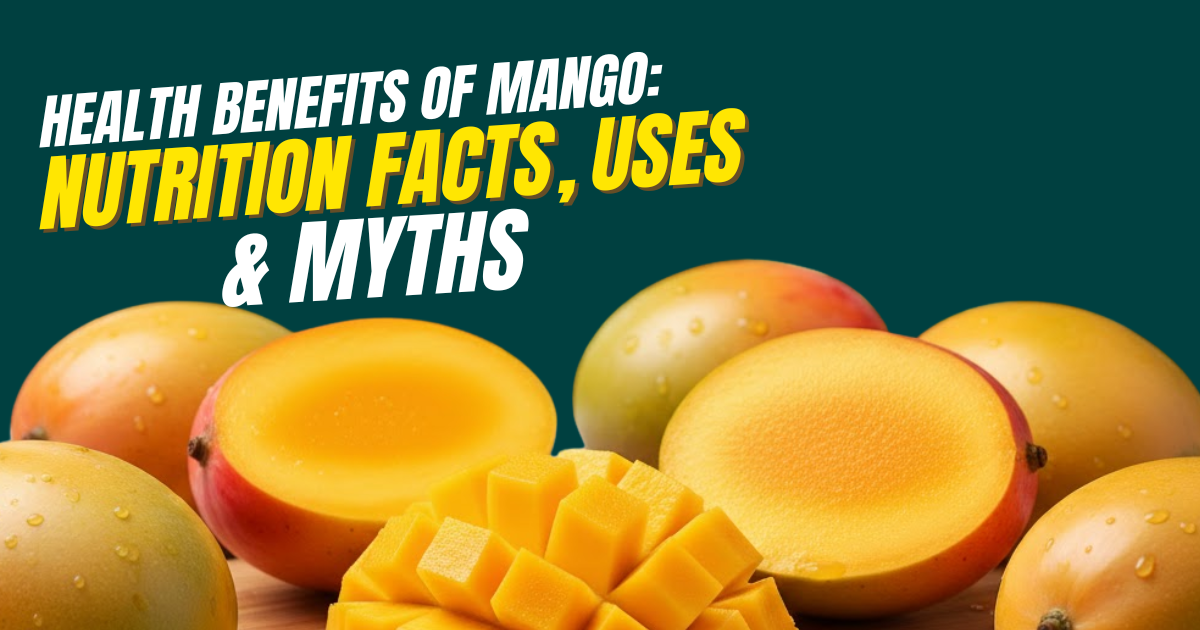
Nutrition, diet, Common Misconceptions and Uses
People mostly call the mango the “King of Fruits” because it tastes great, smells sweet, and has a bright colour. It is the most favourite fruit during its season and is packed with nutrients that are good for your health. Mango is the most favourite fruit of many people all over the world, just because of its good flavour. Along with a pleasant taste, it also offers many benefits, improving health. It is called the king of fruits for a reason: it is rich in nutrients and vitamins.
Mango is more than just tasty—it has many health benefits. It helps with digestion, boosts immunity, improves skin, and supports heart and eye health when eaten in moderation. Still, there are many myths about mango, especially about weight gain, diabetes, and body heat. This article will explore mango’s nutrition, health benefits, uses, and common myths.
Nutritional Value of Mango
Mango packs a lot of nutrients but is still low in calories. One cup (about 165 grams) of fresh mango gives you:
Calories: ~99
Carbohydrates: ~25 g
Dietary fibre: ~2.6 g
Protein: ~1.4 g
Fat: ~0.6 g
Important Vitamins and Minerals
Mango is bursting with vital nutrients that keep your body running smoothly, such as:
Vitamin C improves immune function and promotes healthy skin.
Vitamin A (beta-carotene) supports vision and immune health.
Vitamin B6 enhances brain function and mood regulation.
Folate – essential for cell growth and pregnancy.
Magnesium supports muscle and nerve function.
Mango is also rich in potent compounds, including mangiferin, quercetin, catechins, and anthocyanins. These act as your body’s defenders, shielding your cells from damage by free radicals.
Health Benefits of Mango
- Supports a Strong Immune System
Mango is full of vitamins A and C, which are essential for building a strong immune system. Vitamin C supports the body by increasing white blood cell levels, while vitamin A maintains healthy skin and protective membranes that defend the body from infections. - Supports Healthy Digestion
Mango comes with its own power of digestive enzymes, especially amylases, that break down carbs and make digestion a breeze—especially when the fruit is ripe. - Improves Eye Health
Enjoying mango mainly boosts collagen, calms acne, and shields your skin from the sun. Thanks to their skin- and hair-friendly properties, mango pulp and seed oil are primarily found in haircare and skincare products. - Promotes Heart Health
Mango supports heart health with its mix of fibre, potassium, and antioxidants. Fibre helps reduce bad cholesterol, potassium promotes healthy blood pressure, and mangiferin helps ease inflammation linked to heart disease. - Helps Regulate Blood Sugar (When Consumed Wisely)
Despite its natural sweetness, mango has a moderate glycaemic index and fibre that helps slow the entry of sugar into your bloodstream. People with diabetes can savour small portions of mango with meals, rather than as juice. Some research even hints that mango may help the body use insulin more effectively. - Helps Maintain a Healthy Weight
There is a widespread misconception that eating mangos causes weight gain. Mangos promote a sense of fullness because they are high in fibre and low in fat. When taken in moderation, it helps satisfy sweet cravings and reduce the need for artificial sweets. - Boosts Brain Function
Mango contains vitamin B6, which gives your brain power by generating neurotransmitters that influence mood and sleep. The fruit’s natural sugars provide you with a rapid energy boost that keeps you focused and awake. - Mango delivers vitamin K, magnesium, and a touch of calcium.
These work together to keep your bones sturdy and healthy. Your R bones are strong and healthy. - May Help Protect Against Certain Cancers
Antioxidants and polyphenols found in mangos may help inhibit the formation of dangerous cells. Some studies suggest it could offer protection against cancers such as colon, breast, and prostate. While mango is not a cure, it can play a delicious role in a healthy, cancer-preventive diet full of fruits and vegetables.
Uses of Mango
Culinary Uses
You can enjoy mango in many ways, such as:
Fresh fruit
Smoothies and milkshakes
Desserts and ice creams
Pickles, chutneys, and salsas
Savoury dishes
People use both ripe and unripe mangoes in cooking.
Traditional and Medicinal Uses
In conventional medicine, people use different parts of the mango tree:
Mango leaves are used to help manage blood sugar.
Mango seed powder supports digestion.
Mango bark is used in herbal remedies
Cosmetic and Skincare Uses
Mango butter and oil are often used in:
Moisturizers
Lip balms
Hair masks
Anti-aging products
Common Myths About Mango
Myth: Eating mangos makes you gain weight
Fact: Mangos only cause weight gain when consumed in excess. The key is portion control.
Myth: Mangos should be absolutely avoided by diabetics
Fact: Mangos can be consumed in moderation, particularly when paired with protein and fibre.
Myth: Mangos generate excessive body heat
Fact: There isn’t any scientific evidence that mangos are rotten for you. If mango makes you uncomfortable, soaking it before eating might help.
Myth: Mango should not be eaten at night
Fact: Mango can be eaten at any time, though large portions late at night may cause indigestion for some people.
Myth: Only ripe mangoes are healthy
Fact: Unripe mangoes are rich in vitamin C and are beneficial for digestion as well.
Healthier Ways to Eat Mango
Mangoes in Healthier Ways
Select fresh mangos rather than juice.
Serve with nuts, seeds, or yoghurt.
Choose mangoes that have matured naturally.
Who Should Limit Mango Intake?
Mango is safe for most individuals, but moderation is suggested for:
People with uncontrolled diabetes
Individuals allergic to latex or mangos
Individuals who are susceptible to acidity due to excessive use
Conclusion
Mangos provide essential nutrients that complement a balanced diet, in addition to their delicious flavour. When taken in moderation, it supports healthy digestion, the immune system, cardiovascular health, skin integrity, eyesight, and general energy. When people understand mango’s actual nutritional value, they can add it to their diet without unnecessary concern.
Mango is one of the most nutrient-rich fruits available, whether consumed fresh, added to beverages, or used in skincare products. Responsible consumption allows individuals to benefit from its natural health-promoting properties.
TASTE THE JOY OF MANGOS
Mangos are more than just a joyful treat — they’re a delicious, nutritious addition to your daily routine. No matter your nutrition goals, mango can add a boost in the most joyous way possible.
Mangoes are easy to find in most supermarkets today. Aside from the fresh produce section, you’ll spot them in bags of frozen fruit, trail mixes and salsas. Many people enjoy mangoes, but are they healthy?
Registered dietitian Carly Sedlacek, RD, LD, explains the standout health benefits of this sweet fruit.
Are mangoes good for you?
Mangoes are high in vitamins, minerals and fibre. They pack a lot of nutrition into a low number of calories. One cup of chopped mango has 99 calories and 2.6 grams of fibre. In terms of your recommended daily value of vitamins and minerals, you also get:
- 20% of copper.
- 10% of vitamin E.
Mangoes are also a good source of:
THE JOY OF LONGEVITY AND VITALITY
Your heart works hard for you, and mango works hard for your heart.
A whole diet of colourful fruits like mango has long been associated with better heart health, and fresh mango in particular stands out as a nutrient-dense powerhouse. Just one serving contains more than 20 vitamins, minerals, and antioxidants, all working together to support long-term vitality.
Mango is naturally free of added sugars and saturated fats, and is precisely the type of whole food recommended for cardiovascular wellness. Its nutrient profile, which includes fibre, vitamin C, and folate, helps promote satiety, cell health, and immune support, making it a go-to fruit for maintaining energy, mood, and longevity at every life stage.
Research shows that those who eat mango as a part of their dietary pattern have better overall diet quality and higher nutrient intake, especially among older adults and women of childbearing age—two groups often at greater risk for nutrient gaps. That makes mango a simple yet powerful way to nourish the heart, body, and mind with each bite.
WELLNESS AND MOOD: GUT HEALTH FROM THE INSIDE OUT
Your gut does more than digest food—it shapes how you feel, think, and move through the world. And mango supports it all with a naturally invigorating combination of fibre, hydration, and bioactives that nurture your microbiome.
Fresh mango is also about 83% water, making it a hydrating, refreshing snack on hot days or after a workout. But the real magic may happen in your gut: mango’s prebiotic fibre and polyphenols help increase beneficial bacteria in the digestive tract. An emerging body of research shows significant promise for eating mangos and supporting a healthy gut microbiome, which, in turn, supports better digestion, immune resilience, and even mood balance.
An increasing number of studies have shown that mango consumption can lead to positive changes in gut bacterial composition, laying the foundation for more stable energy levels, improved nutrient absorption, and overall well-being.
In short: eating mango doesn’t just taste great—it helps you feel great, too.
NUTRIENTS THAT NOURISH
Mango is more than a sweet treat—it’s a vibrant source of nourishing nutrients that support everything from skin health to immunity and energy.