

Blog
Mango Nutrition Facts & Health

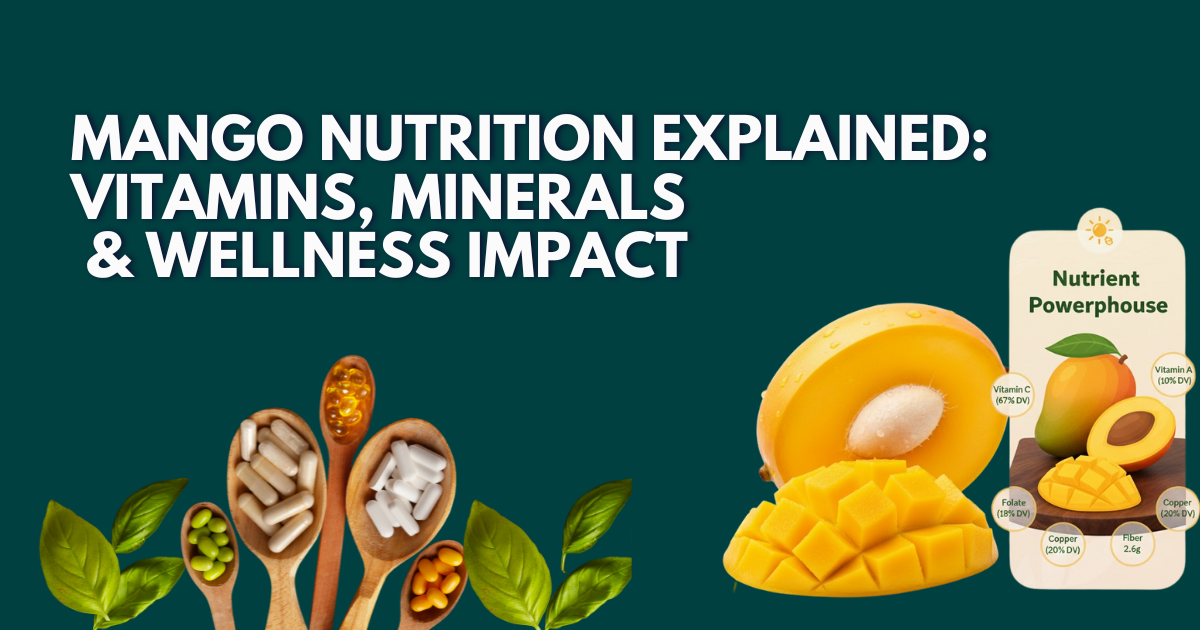
The King of Fruits
People have grown mangoes for over 4,000 years, and they are valued worldwide for their cultural, nutritional, and health benefits. Many people today look for natural ways to improve their immunity, digestion, skin, and energy. Mango is a fruit that tastes good and is also suitable for you. This article shares nutrition facts about mangoes and explains how they can help your body and mind stay healthy. It also covers how mangoes may help prevent illness.
Mango Nutrition Facts (Per 1 Cup / 165g of Fresh Mango)
To see why mangoes are so good for you, let’s look at their nutrition and what makes them healthy.
Macronutrients
Calories: ~99 kcal
Carbohydrates: ~25 g
Natural Sugars: ~23 g
Dietary Fiber: ~3 g
Protein: ~1.4 g
Fat: ~0.6 g
Mangoes are low in fat and protein, so they provide energy mainly from natural sugars and carbohydrates.
Vitamins in Mango: A Natural Multivitamin
Vitamin C – Immunity & Skin Health
Improves wound healing
Acts as a powerful antioxidant
Helps absorb iron from plant-based foods
Regularly eating mangoes may help you get sick less often and can make your skin look brighter and smoother.
Vitamin A (Beta-Carotene) – Vision & Cellular Growth
Mangoes have beta-carotene, a plant pigment and antioxidant that your body turns into vitamin A.
Key Benefits:
Supports healthy eyesight
Prevents night blindness
Maintains healthy skin and mucous membranes
Supports immune defense
Aids proper cell growth and development
The bright orange-yellow color of mango shows it has a lot of beta-carotene.
Vitamin E & Vitamin K
Vitamin E: Acts as an antioxidant, supports skin health, and protects cells from oxidative stress
Even though there are not many of them, these vitamins still add to the health benefits of mangoes.
Minerals in Mango
Potassium
Regulates blood pressure
Supports heart rhythm
Maintains fluid balance
Aids muscle function
Magnesium
Supports nerve signaling
Improves muscle relaxation
Plays a role in bone health
Supports metabolic processes
Carbs
One cup of mango has 99 calories, mostly from carbohydrates. You’ll get 25 grams of carbs in a single serving. Of that, about 23 grams is naturally occurring sugar, and almost 3 grams is fiber.
Foods with a glycemic index of 55 or lower are generally considered low-glycemic foods.2 The glycemic load of a one-cup serving of mango is estimated to be 8. Glycemic load considers portion size when estimating a food’s effect on blood sugar, but it doesn’t take into account additional foods you may eat, which can impact the glycemic effect.
Copper
Essential for iron absorption
Supports energy production
Plays a role in brain development
Iron, Calcium & Zinc (Trace Amounts)
Mangoes don’t have a lot of these minerals, but the small amounts they do have help with blood, bones, and your immune system.
Dietary Fiber: Digestive Health Champion
Mangoes have both soluble and insoluble fiber, which help your digestion and keep your gut healthy.
Digestive Benefits
Promotes regular bowel movements
Prevents constipation
Supports beneficial gut bacteria
Improves nutrient absorption
Mangoes also have digestive enzymes, especially amylases, that help break down carbs into simple sugars and make digestion easier.
Antioxidants & Phytonutrients in Mango
One of the best things about mangoes is that they are full of antioxidants. Mangiferin, found in mango, has been studied for its:
Anti-inflammatory properties
Blood sugar regulation
Neuroprotective effects
Potential anti-cancer activity
Protein
You’ll get a small amount of protein (a little over 1 gram) when you consume a cup of fresh mango.
Improves Cell Function
Vitamin C helps improve cell health in the body. Vitamin C is essential for immune system function, strong connective tissue, and healthy blood vessel walls.
Other Antioxidants
Quercetin
Isoquercitrin
Astragalin
Gallic acid
These compounds help fight free radicals and lower oxidative stress. They also help protect you from long-term diseases.
Health Benefits of Mango
1. Boosts Immune System
Vitamin C, vitamin A, antioxidants, and polyphenols strengthen the immune response.
2. Supports Eye Health
Vitamin A and beta-carotene protect against dry eyes, night blindness, and age-related vision decline.
Collagen synthesis is supported by radiant skin and vibrant hair.
Minimizing oxidative damage to the skin
Avoiding dryness and early aging
Hair follicle nourishment
4. Improves Heart Health
Potassium for controlling blood pressure
Fiber to control cholesterol
Antioxidants that lessen inflammation
5. Promotes Gut Balance and Digestion
improves digestion
lessens bloating
promotes the balance of the gut microbiome
6. Moderately Controls Blood Sugar
Eat mangos in moderation.
Combine with healthy fats or protein.
Steer clear of sugar-added mango drinks.
7. Improves Mood and Thoughts
Antioxidants and vitamin B6 improve mood and memory.
8. May Help with Weight Management
Naturally satisfies cravings for sweets.
Gives you fiber to feel full.
Provides nutrients without empty calories.
9. Combats Illness and Inflammation
Cutting down on persistent inflammation
Encouragement of cancer prevention
Defending against metabolic diseases
Mango for Different Life Stages
Children
Supports growth and immunity
Improves appetite naturally
Adults
Enhances energy and digestion
Supports heart and skin health
Elderly
Aids digestion
Supports eye health and immunity
Best Ways to Eat Mango
Fresh slices
Smoothies
Fruit salads
Yogurt bowls
Chutneys
Salsas
Dried mango (unsweetened)
Precautions & Considerations
Excessive intake may cause blood sugar spikes.
Mango peel may irritate sensitive individuals.
People with diabetes should monitor portions.
Conclusion: A Fruit That Nourishes Body & Soul
Mangoes are more than just a treat when they’re in season. They are full of nutrients that help your immune system, digestion, heart, skin, and overall health. With lots of vitamins, minerals, fiber, and antioxidants, it is a delicious symbol of nature’s ability to nourish, heal, and energize.
Extended Insights into Mango: Nature’s Golden Gift
Mango is not only loved for its taste but also admired for its versatility and healing potential. Across cultures and generations, mango has been used as food, medicine, and even a spiritual symbol. When we look deeper into this fruit, we find layers of benefits that go beyond basic nutrition.
Related Posts

🎮 Juego del Mango Online – Juega Gratis y Diviértete Ahora
-
Posted by
 admin
admin